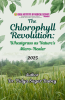
The Chlorophyll Revolution: Wheatgrass as Nature’s Micro-Healer
Synopsis
Wheatgrass has travelled a remarkable journey—from being a humble sprout in traditional households to becoming a respected element of modern natural medicine. Its healing reputation is not rooted in trends or temporary wellness fads; instead, it is built on decades of scientific inquiry, patient experience, and the timeless wisdom of nature. This book brings together these strands of knowledge with the intention of offering readers a clear, practical, and trustworthy guide to understanding the extraordinary potential of wheatgrass.
The motivation for authoring this book grew from countless real-life experiences shared by individuals who turned to wheatgrass during illnesses, fatigue, or emotional imbalances, and found renewed strength through its use. Their stories reflect not just recovery, but transformation. It became clear that wheatgrass is more than a supplement—it is a catalyst for holistic improvement in body, mind, and lifestyle.
In the chapters that follow, readers will find a balanced blend of scientific evidence, therapeutic principles, cultivation techniques, and practical guidelines. The aim is to demystify wheatgrass therapy and present it in a way that is accessible to families, wellness practitioners, caregivers, and anyone seeking natural solutions to enhance their quality of life. Special emphasis has been given to dosage, regimen, modern growing technologies, and disease-specific applications so that the information remains relevant for both personal and professional use.
This book is not intended as a replacement for medical treatment but as an empowering resource that complements existing knowledge about natural healing. Wheatgrass stands as a reminder that nature quietly offers powerful remedies—waiting only for our attention and respect.
It is my hope that this work serves as a companion on your journey of wellness, encouraging you to trust in your body’s innate ability to heal and to explore the extraordinary benefits of this simple, vibrant green plant.
Chapters
-
A Natural Resistance
-
Miracle of Wheatgrass Juice for Health
-
Wheatgrass Juice Therapy in Different Diseases
-
Unique Juice for Cancer Patients
-
Modern Technology for Growing Wheatgrass
-
How to Prepare Wheatgrass Juice
-
Chlorophyll
-
Success Story
-
Regimen
-
Wheatgrass Regimen
-
Proper Dosage
Downloads
References
Chapter 1 - A Natural Resistance
1. Ferrucci, L., & Fabbri, E. (2018). Inflammageing: chronic inflammation, oxidative stress and age-related diseases. Nature Reviews Cardiology.
2. Calder, P. C. (2020). Nutrition, immunity and COVID-19. BMJ Nutrition, Prevention & Health.
Chapter 2 - Miracle of Wheatgrass Juice for Health
1. Kulkarni, S. D., et al. (2006). Wheat grass juice reduces oxidative stress and improves antioxidant status in rats. Indian Journal of Pharmacology.
2. Wigmore, A. (1985). The Wheatgrass Book. Avery Publishing.
Chapter 3 - Wheatgrass Juice Therapy in Different Diseases
1. Singh, N., et al. (2012). Wheatgrass: An overview of its nutritional value and therapeutic potential. Journal of Food Science and Technology.
2. Rana, S., et al. (2011). Wheatgrass supplementation in thalassemia major. Indian Pediatrics.
Chapter 4 - Unique Juice for Cancer Patients
1. Bar-Sella, P., et al. (2000). Wheatgrass juice reduces myelotoxicity during chemotherapy. Journal of Clinical Oncology.
2. Ben-Arye, E., et al. (2002). Herbal medicine and supportive care in cancer. Journal of Oncology Practice.
Chapter 5 - Modern Technology for Growing Wheatgrass
1. Kozai, T., et al. (2016). Plant Factory: An Indoor Vertical Farming System. Academic Press.
2. AlSharif, M. R., & Abdallah, S. (2019). Hydroponic and aeroponic cultivation of microgreens. Agricultural Sciences.
Chapter 6 - How to Prepare Wheatgrass Juice
1. Wigmore, A. (1985). The Wheatgrass Book. Avery Publishing.
2. Singh, N., et al. (2012). Nutritional and therapeutic potential of wheatgrass. Journal of Food Science and Technology.
Chapter 7 - Chlorophyll
1. Ferruzzi, M. G., & Blakeslee, J. (2007). Chlorophylls and human health. Annual Review of Food Science and Technology.
2. Shi, H., et al. (2016). Chlorophyll and chlorophyllin as antioxidants. Food and Chemical Toxicology.
Chapter 8 - Success Story
1. Marwaha, R. K., et al. (2004). Wheatgrass in transfusion-dependent disorders. Indian Pediatrics.
2. Ben-Arye, E., et al. (2002). Complementary therapies in chronic illness. Supportive Care in Cancer.
Chapter 9 - Regimen
1. Satheesh, N., et al. (2010). Diet and lifestyle interventions for holistic health. Journal of Ethnopharmacology.
2. Telles, S., et al. (2019). Yoga and pranayama as supportive therapies. Journal of Clinical Psychiatry.
Chapter 10 - Wheatgrass Regimen
1. Singh, N., et al. (2012). Therapeutic protocols of wheatgrass use. Journal of Food Science and Technology.
2. Banerjee, S., et al. (2014). Integrating wheatgrass in clinical practices. Ayurveda Journal of Research.
Chapter 11 - Proper Dosage
1. Wigmore, A. (1985). The Wheatgrass Book. Avery Publishing.
2. Singh, N., et al. (2012). Therapeutic dosage in wheatgrass applications. Journal of Food Science and Technology.
Published
License

This work is licensed under a Creative Commons Attribution 4.0 International License.
Creative Commons Attribution 4.0 International (CC BY 4.0) — License Terms
The Creative Commons Attribution 4.0 International License (CC BY 4.0) is one of the most permissive open licenses. It allows others to use, share, and build upon a work for any purpose—including commercial use—provided that proper credit is given to the original creator.
1. Permissions Granted
Under CC BY 4.0, anyone may:
a) Share
Copy and redistribute the material in any medium or format (print, digital, audio, video, etc.).
b) Adapt
Remix, transform, translate, or build upon the material.
c) Commercial Use Allowed
The work may be used for commercial purposes, including resale, inclusion in paid products, or monetized distribution.
d) No Additional Permission Required
Users do not need to contact the author for permission, as long as they follow the license conditions.
2. Attribution Requirements (Core Condition)
Users must give appropriate credit to the original creator. Attribution should include:
- Name of the author/creator
- Title of the work (if available)
- Source (publisher, website, or platform)
- Link to the original work (if online)
- Link to the CC BY 4.0 license
- Indication of any changes made
Example Attribution:
“Title of Work” by Author Name is licensed under CC BY 4.0.
Adapted from the original available at [URL].
3. Indicating Changes
If the material is modified, translated, shortened, or otherwise altered, users must clearly state that changes were made.
Examples:
- “Translated from the original”
- “Adapted from…”
- “Modified version of…”
4. No Additional Restrictions
Users may not:
- Apply legal terms or technological measures (such as DRM) that restrict others from exercising the license rights
- Impose new licensing conditions that contradict CC BY 4.0
5. Rights Not Covered by the License
CC BY 4.0 does not automatically grant:
- Patent rights
- Trademark rights
- Privacy or publicity rights
- Moral rights where they cannot be waived by law
Users must ensure compliance with these separately.
6. Disclaimer of Warranties
The material is provided “as-is.”
The licensor (author/publisher) gives no guarantees regarding accuracy, suitability, or fitness for any purpose.
7. Termination and Reinstatement
- The license remains valid as long as the terms are followed.
- If a user violates the terms (e.g., fails to attribute), the rights terminate automatically.
- Rights may be reinstated if the violation is corrected within 30 days of discovery.
8. International Scope
CC BY 4.0 is designed to work worldwide and is not limited to any specific country’s copyright law.
Suggested Copyright Notice Using CC BY 4.0
© [Year] [Author Name].
This work is licensed under the Creative Commons Attribution 4.0 International License (CC BY 4.0).
To view a copy of this license, visit: https://creativecommons.org/licenses/by/4.0/
You are free to share and adapt this work for any purpose, even commercially, provided that appropriate credit is given.