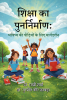
शिक्षा का पुनर्निर्माण: भविष्य की पीढ़ियों के लिए मार्गदर्शन
Keywords:
शिक्षा का पुनर्निर्माण, भविष्य की शिक्षा प्रणाली, डिजिटल लर्निंग, Wissira Press, Wissira Press Publications, Books by WissiraSynopsis
मानव सभ्यता के विकास में शिक्षा की भूमिका अत्यंत महत्वपूर्ण रही है। शिक्षा केवल ज्ञान प्राप्त करने का माध्यम नहीं है, बल्कि यह समाज के निर्माण, सांस्कृतिक संरक्षण और मानवीय मूल्यों के विकास का आधार भी है। समय के साथ समाज, तकनीक और वैश्विक परिस्थितियों में निरंतर परिवर्तन होते रहे हैं, जिसके कारण शिक्षा की संरचना और उद्देश्य भी बदलते रहे हैं। वर्तमान युग में, जब विज्ञान और प्रौद्योगिकी तेजी से प्रगति कर रहे हैं, तब शिक्षा को भी नई आवश्यकताओं और चुनौतियों के अनुरूप पुनर्गठित करने की आवश्यकता महसूस की जा रही है।
आज की दुनिया में शिक्षा का महत्व केवल विद्यालय या विश्वविद्यालय की सीमाओं तक सीमित नहीं है। यह एक ऐसी प्रक्रिया बन चुकी है जो व्यक्ति को जीवन भर सीखने, समझने और समाज में सकारात्मक योगदान देने के लिए प्रेरित करती है। आधुनिक समय में शिक्षा से अपेक्षा की जाती है कि वह विद्यार्थियों को केवल सैद्धांतिक ज्ञान ही न दे, बल्कि उन्हें रचनात्मक सोच, समस्या-समाधान क्षमता, नैतिक दृष्टिकोण और सामाजिक जिम्मेदारी जैसे गुणों से भी संपन्न बनाए। इसी उद्देश्य को ध्यान में रखते हुए इस पुस्तक की रचना की गई है।
“शिक्षा का पुनर्निर्माण: भविष्य की पीढ़ियों के लिए मार्गदर्शन” शीर्षक से प्रस्तुत यह पुस्तक शिक्षा प्रणाली के विभिन्न आयामों पर व्यापक दृष्टि प्रदान करती है। इसमें शिक्षा के ऐतिहासिक विकास से लेकर वर्तमान चुनौतियों और भविष्य की संभावनाओं तक का विश्लेषण किया गया है। पुस्तक का उद्देश्य यह समझाना है कि शिक्षा को किस प्रकार अधिक समावेशी, नवाचारी और मूल्य-आधारित बनाया जा सकता है, ताकि आने वाली पीढ़ियाँ एक संतुलित और प्रगतिशील समाज के निर्माण में सक्रिय भूमिका निभा सकें।
इस पुस्तक में शिक्षा के कई महत्वपूर्ण पहलुओंजैसे 21वीं सदी के कौशल, डिजिटल शिक्षा, मूल्य आधारित शिक्षण, समावेशी शिक्षा और सतत विकासपर विशेष ध्यान दिया गया है। साथ ही शिक्षक की बदलती भूमिका, तकनीकी परिवर्तन और वैश्विक सहयोग जैसे विषयों को भी विस्तार से प्रस्तुत किया गया है। इन विषयों के माध्यम से यह स्पष्ट करने का प्रयास किया गया है कि शिक्षा केवल ज्ञान के हस्तांतरण की प्रक्रिया नहीं, बल्कि सामाजिक परिवर्तन का एक सशक्त माध्यम भी है।
यह पुस्तक विद्यार्थियों, शिक्षकों, शोधकर्ताओं, शिक्षा-नीति निर्माताओं और उन सभी पाठकों के लिए उपयोगी हो सकती है जो शिक्षा के क्षेत्र में सकारात्मक परिवर्तन की आवश्यकता को समझना चाहते हैं। आशा है कि यह पुस्तक पाठकों को शिक्षा के महत्व और उसके भविष्य की संभावनाओं पर गंभीरतापूर्वक विचार करने के लिए प्रेरित करेगी।
अंत में, इस पुस्तक की तैयारी के दौरान विभिन्न शिक्षाविदों, शोधकर्ताओं और शैक्षणिक संस्थानों के विचारों और अध्ययनों से प्रेरणा प्राप्त हुई है। उनके योगदान और ज्ञान के प्रति मैं कृतज्ञता व्यक्त करता हूँ।
मेरी हार्दिक कामना है कि यह पुस्तक शिक्षा के क्षेत्र में सार्थक संवाद और नवाचार को प्रोत्साहित करने में सहायक सिद्ध होगी तथा भविष्य की पीढ़ियों के लिए एक बेहतर शैक्षिक वातावरण के निर्माण में प्रेरणा प्रदान करेगी।
Chapters
-
अध्याय 1 शिक्षा का ऐतिहासिक विकास और वर्तमान परिप्रेक्ष्य
-
अध्याय 2 शिक्षा में परिवर्तन की आवश्यकता
-
अध्याय 3 21वीं सदी के कौशल और शिक्षा
-
अध्याय 4 तकनीक और डिजिटल शिक्षा की भूमिका
-
अध्याय 5 मूल्य आधारित शिक्षा और नैतिक विकास
-
अध्याय 6 शिक्षक की बदलती भूमिका
-
अध्याय 7 समावेशी और समान अवसर वाली शिक्षा
-
अध्याय 8 शिक्षा और सतत विकास
-
अध्याय 9 भविष्य की शिक्षा प्रणाली – संभावनाएँ और दिशाएँ
Downloads
References
Altbach, P. G., & Salmi, J. (2011). The Road to Academic Excellence: The Making of World-Class Research Universities. World Bank Publications.
Basham, A. L. (2004). The Wonder That Was India. Picador India.
Chaube, S. P., & Chaube, A. (2009). History and Problems of Indian Education. Vinod Pustak Mandir.
Fullan, M. (2007). The New Meaning of Educational Change. Teachers College Press.
OECD. (2019). Future of Education and Skills 2030. Organisation for Economic Co-operation and Development.
Tilak, J. B. G. (2018). Education and Development in India. Springer.
Trilling, B., & Fadel, C. (2009). 21st Century Skills: Learning for Life in Our Times. Jossey-Bass.
Partnership for 21st Century Learning. (2019). Framework for 21st Century Learning. P21 Organization.
Wagner, T. (2012). Creating Innovators: The Making of Young People Who Will Change the World. Scribner.
Bates, A. W. (2015). Teaching in a Digital Age: Guidelines for Designing Teaching and Learning. Tony Bates Associates Ltd.
Selwyn, N. (2016). Education and Technology: Key Issues and Debates. Bloomsbury Academic.
UNESCO. (2021). Digital Learning and Transformation of Education. UNESCO Publishing.
Lickona, T. (1991). Educating for Character: How Our Schools Can Teach Respect and Responsibility. Bantam Books.
Noddings, N. (2013). Caring: A Relational Approach to Ethics and Moral Education. University of California Press.
Halstead, J. M., & Taylor, M. J. (2000). Values in Education and Education in Values. Falmer Press.
Hargreaves, A., & Fullan, M. (2012). Professional Capital: Transforming Teaching in Every School. Teachers College Press.
Darling-Hammond, L. (2017). Empowered Educators: How High-Performing Systems Shape Teaching Quality Around the World. Jossey-Bass.
Day, C., & Gu, Q. (2010). The New Lives of Teachers. Routledge.
Ainscow, M. (2005). Developing Inclusive Education Systems: What Are the Levers for Change? Journal of Educational Change.
UNESCO. (2020). Global Education Monitoring Report: Inclusion and Education – All Means All. UNESCO Publishing.
Singal, N. (2019). Challenges and Opportunities in Inclusive Education in India. Routledge.
UNESCO. (2017). Education for Sustainable Development Goals: Learning Objectives. UNESCO Publishing.
Sterling, S. (2010). Transformative Learning and Sustainability. Journal of Education for Sustainable Development.
United Nations. (2015). Transforming Our World: The 2030 Agenda for Sustainable Development. United Nations.
Schwab, K. (2016). The Fourth Industrial Revolution. World Economic Forum.
Redecker, C. (2017). European Framework for the Digital Competence of Educators (DigCompEdu). European Commission.
OECD. (2020). Education in the Digital Age: Future Trends and Policy Directions. OECD Publishing.
Published
License

This work is licensed under a Creative Commons Attribution 4.0 International License.
Creative Commons Attribution 4.0 International (CC BY 4.0) — License Terms
The Creative Commons Attribution 4.0 International License (CC BY 4.0) is one of the most permissive open licenses. It allows others to use, share, and build upon a work for any purpose—including commercial use—provided that proper credit is given to the original creator.
1. Permissions Granted
Under CC BY 4.0, anyone may:
a) Share
Copy and redistribute the material in any medium or format (print, digital, audio, video, etc.).
b) Adapt
Remix, transform, translate, or build upon the material.
c) Commercial Use Allowed
The work may be used for commercial purposes, including resale, inclusion in paid products, or monetized distribution.
d) No Additional Permission Required
Users do not need to contact the author for permission, as long as they follow the license conditions.
2. Attribution Requirements (Core Condition)
Users must give appropriate credit to the original creator. Attribution should include:
- Name of the author/creator
- Title of the work (if available)
- Source (publisher, website, or platform)
- Link to the original work (if online)
- Link to the CC BY 4.0 license
- Indication of any changes made
Example Attribution:
“Title of Work” by Author Name is licensed under CC BY 4.0.
Adapted from the original available at [URL].
3. Indicating Changes
If the material is modified, translated, shortened, or otherwise altered, users must clearly state that changes were made.
Examples:
- “Translated from the original”
- “Adapted from…”
- “Modified version of…”
4. No Additional Restrictions
Users may not:
- Apply legal terms or technological measures (such as DRM) that restrict others from exercising the license rights
- Impose new licensing conditions that contradict CC BY 4.0
5. Rights Not Covered by the License
CC BY 4.0 does not automatically grant:
- Patent rights
- Trademark rights
- Privacy or publicity rights
- Moral rights where they cannot be waived by law
Users must ensure compliance with these separately.
6. Disclaimer of Warranties
The material is provided “as-is.”
The licensor (author/publisher) gives no guarantees regarding accuracy, suitability, or fitness for any purpose.
7. Termination and Reinstatement
- The license remains valid as long as the terms are followed.
- If a user violates the terms (e.g., fails to attribute), the rights terminate automatically.
- Rights may be reinstated if the violation is corrected within 30 days of discovery.
8. International Scope
CC BY 4.0 is designed to work worldwide and is not limited to any specific country’s copyright law.
Suggested Copyright Notice Using CC BY 4.0
© [Year] [Author Name].
This work is licensed under the Creative Commons Attribution 4.0 International License (CC BY 4.0).
To view a copy of this license, visit: https://creativecommons.org/licenses/by/4.0/
You are free to share and adapt this work for any purpose, even commercially, provided that appropriate credit is given.