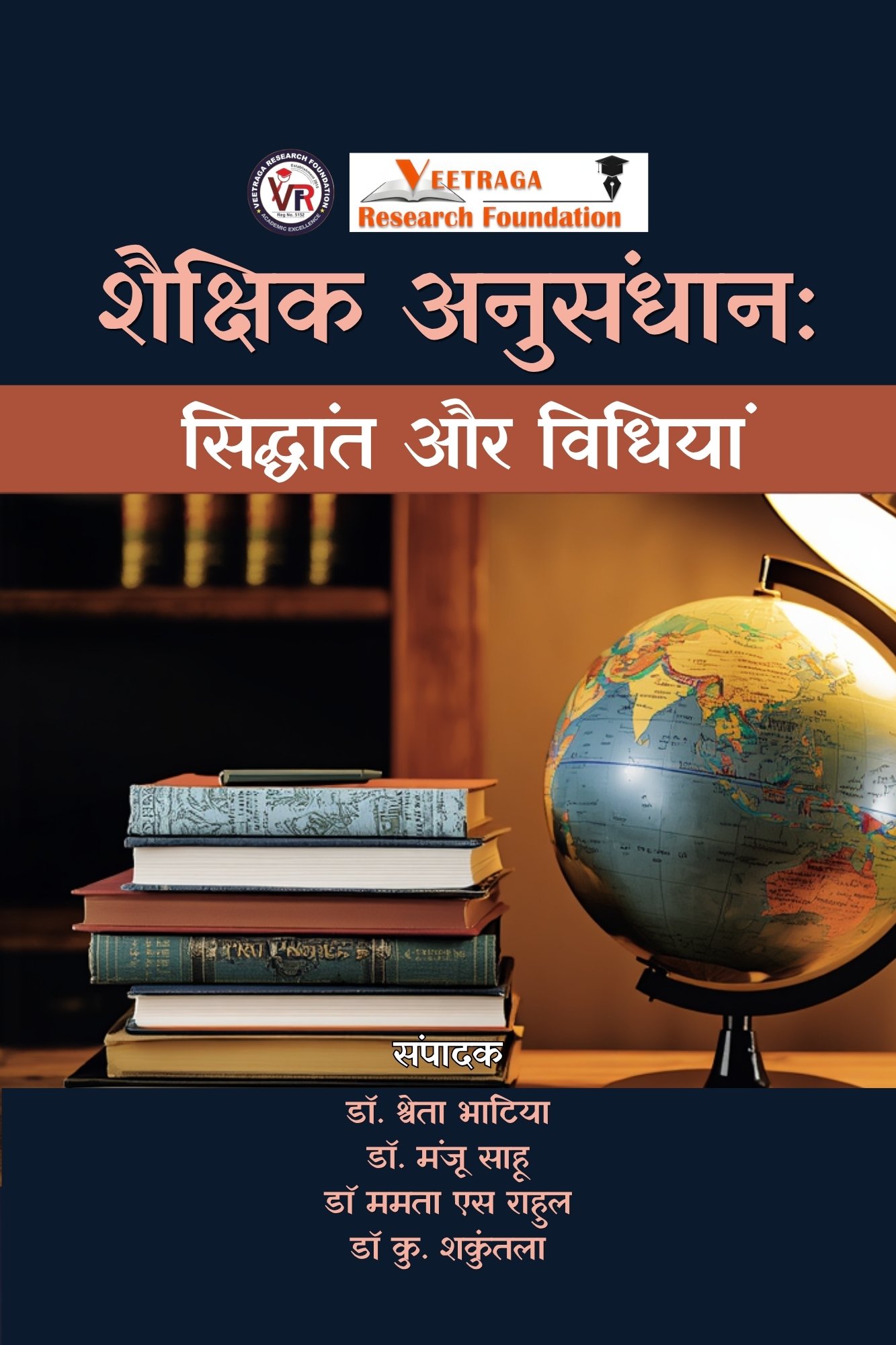
शैक्षिक अनुसंधान: सिद्धांत और विधियां
Keywords:
शैक्षिक, सिद्धांत, विधियांSynopsis
शिक्षा किसी भी राष्ट्र के सामाजिक, सांस्कृतिक, आर्थिक तथा बौद्धिक विकास की आधारशिला होती है। बदलते वैश्विक परिदृश्य, ज्ञान-आधारित समाज की बढ़ती आवश्यकताओं तथा शिक्षण-अधिगम प्रक्रियाओं में निरंतर हो रहे परिवर्तनों ने शिक्षा के क्षेत्र में वैज्ञानिक चिंतन और अनुसंधान की आवश्यकता को अत्यंत महत्वपूर्ण बना दिया है। आज शिक्षा केवल ज्ञान के प्रसार तक सीमित नहीं है, बल्कि यह नवाचार, समस्या-समाधान, साक्ष्य-आधारित निर्णय और सतत सुधार की प्रक्रिया का भी प्रमुख माध्यम बन चुकी है। ऐसे में शैक्षिक अनुसंधान शिक्षकों, शोधार्थियों, नीति-निर्माताओं तथा शिक्षा प्रशासकों के लिए एक अनिवार्य उपकरण के रूप में उभरकर सामने आया है।
प्रस्तुत पुस्तक “शैक्षिक अनुसंधान: सिद्धांत और विधियां” का उद्देश्य शैक्षिक अनुसंधान की मूलभूत अवधारणाओं, सिद्धांतों, प्रक्रियाओं तथा व्यावहारिक पक्षों को सरल, स्पष्ट और व्यवस्थित रूप में प्रस्तुत करना है। यह पुस्तक उन विद्यार्थियों और शोधकर्ताओं के लिए तैयार की गई है जो अनुसंधान के क्षेत्र में प्रवेश कर रहे हैं तथा उन शिक्षाविदों के लिए भी उपयोगी है जो अपने ज्ञान को अद्यतन और समृद्ध बनाना चाहते हैं। पुस्तक में अनुसंधान की आवश्यकता, अनुसंधान के प्रकार, समस्या चयन, साहित्य समीक्षा, परिकल्पना निर्माण, न्यादर्श चयन, अनुसंधान उपकरण, डेटा संग्रहण, सांख्यिकीय विश्लेषण, अनुसंधान अभिकल्प तथा प्रतिवेदन लेखन जैसे महत्वपूर्ण विषयों को क्रमबद्ध रूप से समाहित किया गया है।
इस पुस्तक की विशेषता यह है कि इसमें जटिल अनुसंधान अवधारणाओं को सरल भाषा में समझाने का प्रयास किया गया है, जिससे पाठक विषय को सहजता से आत्मसात कर सकें। प्रत्येक अध्याय को इस प्रकार संरचित किया गया है कि पाठक सिद्धांत और व्यवहार के मध्य संबंध स्थापित कर सकें। साथ ही, पुस्तक में अनुसंधान से संबंधित प्रमुख शब्दावली, डेटा स्रोत, अनुसंधान उपकरण, सांख्यिकीय तकनीकों तथा अनुसंधान नैतिकता जैसे विषयों को भी समाविष्ट किया गया है, जिससे यह पुस्तक एक व्यापक संदर्भ सामग्री का रूप ग्रहण करती है।
वर्तमान समय में राष्ट्रीय शिक्षा नीति 2020 ने अनुसंधान, नवाचार तथा ज्ञान-सृजन को शिक्षा प्रणाली का महत्वपूर्ण आधार माना है। इसी दृष्टिकोण को ध्यान में रखते हुए पुस्तक में समकालीन शैक्षिक आवश्यकताओं, शोध प्रवृत्तियों तथा भविष्य की संभावनाओं पर भी विचार किया गया है। आशा है कि यह पुस्तक विद्यार्थियों, शिक्षक-प्रशिक्षुओं, शिक्षक-शिक्षकों, महाविद्यालय एवं विश्वविद्यालय के अध्यापकों, यूजीसी-नेट/जेआरएफ अभ्यर्थियों तथा पीएच.डी. शोधार्थियों के लिए समान रूप से उपयोगी सिद्ध होगी।
किसी भी शैक्षणिक कृति का निर्माण अनेक विद्वानों के विचारों, अनुभवों और ज्ञान परंपराओं से प्रेरणा प्राप्त करके ही संभव होता है। शिक्षा एवं अनुसंधान के क्षेत्र में कार्यरत सभी विद्वानों, लेखकों तथा शोधकर्ताओं के प्रति मैं अपना हार्दिक आभार व्यक्त करता हूँ, जिनके योगदान ने इस पुस्तक के निर्माण में प्रत्यक्ष या अप्रत्यक्ष रूप से सहायता प्रदान की है।
यदि यह पुस्तक पाठकों में अनुसंधान के प्रति रुचि जागृत करने, वैज्ञानिक दृष्टिकोण विकसित करने तथा गुणवत्तापूर्ण शैक्षिक अनुसंधान को प्रोत्साहित करने में सफल होती है, तो मैं अपने प्रयास को सार्थक मानूँगा।
सभी पाठकों, शिक्षकों और शोधार्थियों के लिए मेरी शुभकामनाएँ कि वे अनुसंधान के माध्यम से ज्ञान के नए आयामों की खोज करें तथा शिक्षा के क्षेत्र में सकारात्मक परिवर्तन लाने में योगदान दें।
Chapters
-
शिक्षा में अनुसंधान की आवश्यकता
-
शैक्षिक अनुसंधान के प्रकार
-
समस्या के स्रोत
-
संबंधित साहित्य के अध्ययन का महत्व
-
परिकल्पना का अर्थ, परिभाषा एवं शिक्षा अनुसंधान में परिकल्पनाओं का उपयोग
-
न्यादर्श का अर्थ एवं न्यादर्श की विधियां
-
अनुसंधान के उपकरण
-
चर का अर्थ, परिभाषा एवं प्रकार
-
गुणात्मक एवं परिमाणात्मक प्रदत्त
-
सांख्यिकी का अर्थ एवं शैक्षिक अनुसंधान में सांख्यिकी का प्रयोग
-
विश्वसनीयता एवं वैधता का अर्थ और प्रकार
-
प्रदत्तों का संकलन एवं प्रदत्तों के प्रकार
-
सार्थकता का परीक्षण
-
अनुसंधान अभिकल्प का अर्थ एवं अनुसंधान अभिकल्प की उपयुक्तता तथा कसौटियाँ
-
अनुसंधान प्रतिवेदन का अर्थ एवं अनुसंधान प्रतिवेदन का प्रारूप
Downloads
References
अध्याय 1 : शिक्षा में अनुसंधान की आवश्यकता
1. Best, J. W., & Kahn, J. V. (2016). Research in Education (10th ed.). Pearson Education.
2. Koul, L. (2019). Methodology of Educational Research (5th ed.). Vikas Publishing House.
अध्याय 2 : शैक्षिक अनुसंधान के प्रकार
1. Cohen, L., Manion, L., & Morrison, K. (2018). Research Methods in Education (8th ed.). Routledge.
2. Kerlinger, F. N., & Lee, H. B. (2000). Foundations of Behavioral Research (4th ed.). Wadsworth.
अध्याय 3 : समस्या के स्रोत
1. Kothari, C. R. (2004). Research Methodology: Methods and Techniques (2nd ed.). New Age International.
2. Kumar, R. (2021). Research Methodology: A Step-by-Step Guide for Beginners (5th ed.). Sage Publications.
अध्याय 4 : संबंधित साहित्य के अध्ययन का महत्व
1. Hart, C. (2018). Doing a Literature Review. Sage Publications.
2. Creswell, J. W. (2014). Research Design. Sage Publications.
अध्याय 5 : परिकल्पना का अर्थ, परिभाषा एवं उपयोग
1. Kerlinger, F. N., & Lee, H. B. (2000). Foundations of Behavioral Research. Wadsworth.
2. Best, J. W., & Kahn, J. V. (2016). Research in Education. Pearson.
अध्याय 6 : न्यादर्श का अर्थ एवं न्यादर्श की विधियां
1. Cochran, W. G. (1977). Sampling Techniques (3rd ed.). Wiley.
2. Kothari, C. R. (2004). Research Methodology: Methods and Techniques. New Age International.
अध्याय 7 : अनुसंधान के उपकरण
1. Anastasi, A., & Urbina, S. (1997). Psychological Testing. Prentice Hall.
2. Best, J. W., & Kahn, J. V. (2016). Research in Education. Pearson.
अध्याय 8 : चर का अर्थ, परिभाषा एवं प्रकार
1. Kerlinger, F. N., & Lee, H. B. (2000). Foundations of Behavioral Research. Wadsworth.
2. Cohen, L., Manion, L., & Morrison, K. (2018). Research Methods in Education. Routledge.
3. Creswell, J. W. (2018). Educational Research. Pearson.
अध्याय 9 : गुणात्मक एवं परिमाणात्मक प्रदत्त
1. Creswell, J. W., & Creswell, J. D. (2018). Research Design. Sage Publications.
2. Kumar, R. (2021). Research Methodology. Sage Publications.
अध्याय 10 : सांख्यिकी का अर्थ एवं शैक्षिक अनुसंधान में प्रयोग
1. Garrett, H. E. (2008). Statistics in Psychology and Education. Surjeet Publications.
2. Aggarwal, Y. P. (2015). Statistical Methods. Sterling Publishers.
अध्याय 11 : विश्वसनीयता एवं वैधता का अर्थ और प्रकार
1. Anastasi, A., & Urbina, S. (1997). Psychological Testing. Prentice Hall.
2. Singh, A. K. (2018). Tests, Measurements and Research Methods in Behavioural Sciences. Bharati Bhawan.
अध्याय 12 : प्रदत्तों का संकलन एवं प्रदत्तों के प्रकार
1. Kumar, R. (2021). Research Methodology. Sage Publications.
2. Creswell, J. W. (2018). Educational Research. Pearson.
अध्याय 13 : सार्थकता का परीक्षण
1. Garrett, H. E. (2008). Statistics in Psychology and Education. Surjeet Publications.
2. Field, A. (2018). Discovering Statistics Using IBM SPSS Statistics (5th ed.). Sage Publications.
अध्याय 14 : अनुसंधान अभिकल्प का अर्थ एवं अनुसंधान अभिकल्प की उपयुक्तता तथा कसौटियाँ
1. Creswell, J. W., & Creswell, J. D. (2018). Research Design. Sage Publications.
2. Cohen, L., Manion, L., & Morrison, K. (2018). Research Methods in Education. Routledge.
अध्याय 15 : अनुसंधान प्रतिवेदन का अर्थ एवं प्रारूप
1. American Psychological Association. (2020). Publication Manual of the American Psychological Association (7th ed.). APA.
2. Creswell, J. W. (2018). Educational Research. Pearson.
Published
License

This work is licensed under a Creative Commons Attribution 4.0 International License.
Creative Commons Attribution 4.0 International (CC BY 4.0) — License Terms
The Creative Commons Attribution 4.0 International License (CC BY 4.0) is one of the most permissive open licenses. It allows others to use, share, and build upon a work for any purpose—including commercial use—provided that proper credit is given to the original creator.
1. Permissions Granted
Under CC BY 4.0, anyone may:
a) Share
Copy and redistribute the material in any medium or format (print, digital, audio, video, etc.).
b) Adapt
Remix, transform, translate, or build upon the material.
c) Commercial Use Allowed
The work may be used for commercial purposes, including resale, inclusion in paid products, or monetized distribution.
d) No Additional Permission Required
Users do not need to contact the author for permission, as long as they follow the license conditions.
2. Attribution Requirements (Core Condition)
Users must give appropriate credit to the original creator. Attribution should include:
- Name of the author/creator
- Title of the work (if available)
- Source (publisher, website, or platform)
- Link to the original work (if online)
- Link to the CC BY 4.0 license
- Indication of any changes made
Example Attribution:
“Title of Work” by Author Name is licensed under CC BY 4.0.
Adapted from the original available at [URL].
3. Indicating Changes
If the material is modified, translated, shortened, or otherwise altered, users must clearly state that changes were made.
Examples:
- “Translated from the original”
- “Adapted from…”
- “Modified version of…”
4. No Additional Restrictions
Users may not:
- Apply legal terms or technological measures (such as DRM) that restrict others from exercising the license rights
- Impose new licensing conditions that contradict CC BY 4.0
5. Rights Not Covered by the License
CC BY 4.0 does not automatically grant:
- Patent rights
- Trademark rights
- Privacy or publicity rights
- Moral rights where they cannot be waived by law
Users must ensure compliance with these separately.
6. Disclaimer of Warranties
The material is provided “as-is.”
The licensor (author/publisher) gives no guarantees regarding accuracy, suitability, or fitness for any purpose.
7. Termination and Reinstatement
- The license remains valid as long as the terms are followed.
- If a user violates the terms (e.g., fails to attribute), the rights terminate automatically.
- Rights may be reinstated if the violation is corrected within 30 days of discovery.
8. International Scope
CC BY 4.0 is designed to work worldwide and is not limited to any specific country’s copyright law.
Suggested Copyright Notice Using CC BY 4.0
© [Year] [Author Name].
This work is licensed under the Creative Commons Attribution 4.0 International License (CC BY 4.0).
To view a copy of this license, visit: https://creativecommons.org/licenses/by/4.0/
You are free to share and adapt this work for any purpose, even commercially, provided that appropriate credit is given.